Facial recognition, like many other things that the human brain does easily, is difficult to program into computers. It is a complex process to get the computers to recognize a face and differentiate the one face from all other faces in its memory. The computer will scan the face and identify landmarks such as the distance between your eyes, or the tip of your nose. It tries to identify more rigid parts of the face, such as eye sockets or the bridge of the nose, because these parts of the face will not change over time. Once it scans the face, it aligns the landmarks to make sense of the face as a whole. The image of the face is converted into a unique code of numbers to represent the features on the face being studied. This code is compared to all other codes in the database and provides matches.
 Facial recognition, though not very accurate or reliable in the past, is making huge strides. For example, a new method of facial recognition is called Surface Texture Analysis. It looks at how unique a person's skin is to determine the identity. It takes a picture of a patch of skin and by breaking it up into easily processed pieces, can identify lines, pores, or other differences in the skin. This new process can identify differences even between identical twins that the current facial recognition technology can't.
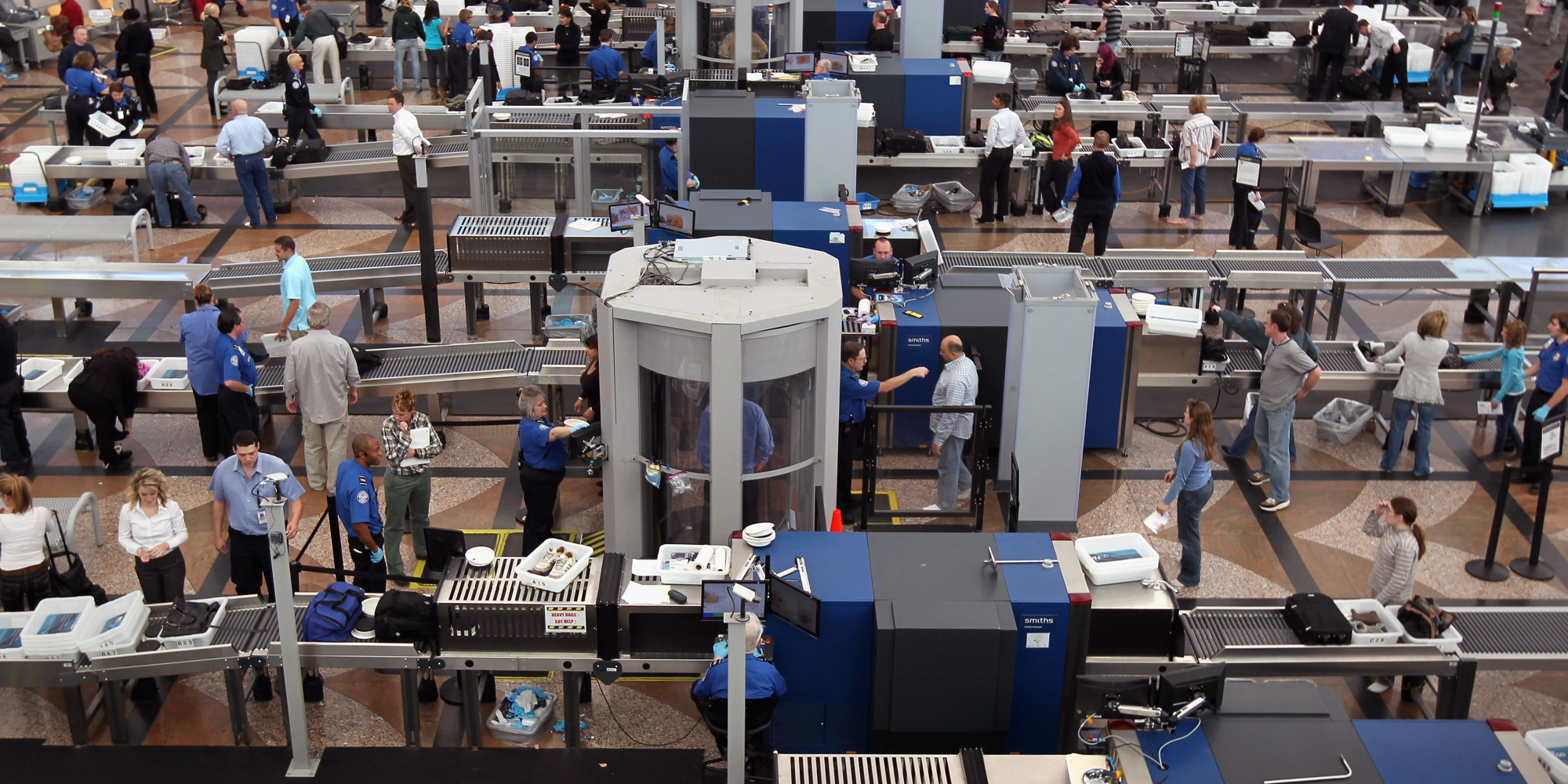
Facial recognition technology was implemented in a few major airports in January with plans to expand across the country.
____________________________________________________________________________
http://www.washingtontimes.com/news/2016/jan/21/us-airports-roll-out-facial-recognition-software/
http://electronics.howstuffworks.com/gadgets/high-tech-gadgets/facial-recognition3.htm
http://i.huffpost.com/gen/2837886/images/o-DENVER-AIRPORT-SECURITY-facebook.jpg
http://www.extremetech.com/wp-content/uploads/2011/12/facial-recognition-markers-640x353.jpg

This is so awesome! It's so important to increase security in airports nowadays. I wonder when they'll be able to perfect this method because I feel like there is a lot of opportunity for error. Because this is such an important safety precaution, they will really need to make sure it is error free.
ReplyDeleteThis *is* pretty interesting--I'm especially intrigued by how it can determine the minute differences between the faces of identical twins. However, I, too, worry about how error-prone facial recognition can be. What about people whose faces have for one reason or another (severe scarring, perhaps) been altered? Hopefully a simple presentation of that person's ID would be enough to prove that it's them, but I guess until this actually becomes more commonplace we can't be sure how things would go.
ReplyDelete